February 13, 2026
Retaining walls are crucial architectural and landscaping features that serve diverse functions in maintaining your property's integrity. They have been utilized for centuries in various forms to manage and stabilize land. Understanding their importance and functionality can lead to more strategic planning and protection of properties from environmental challenges.
Preventing Soil Erosion
Soil erosion is a natural process where the top layer of soil is displaced due to factors like wind, rain, and water runoff. This can lead to significant landscape changes, increased sediment in waterways, and the loss of nutrient-rich soil. Retaining walls are excellent solutions for preventing this occurrence, particularly in areas prone to heavy rains and fast-draining soil.
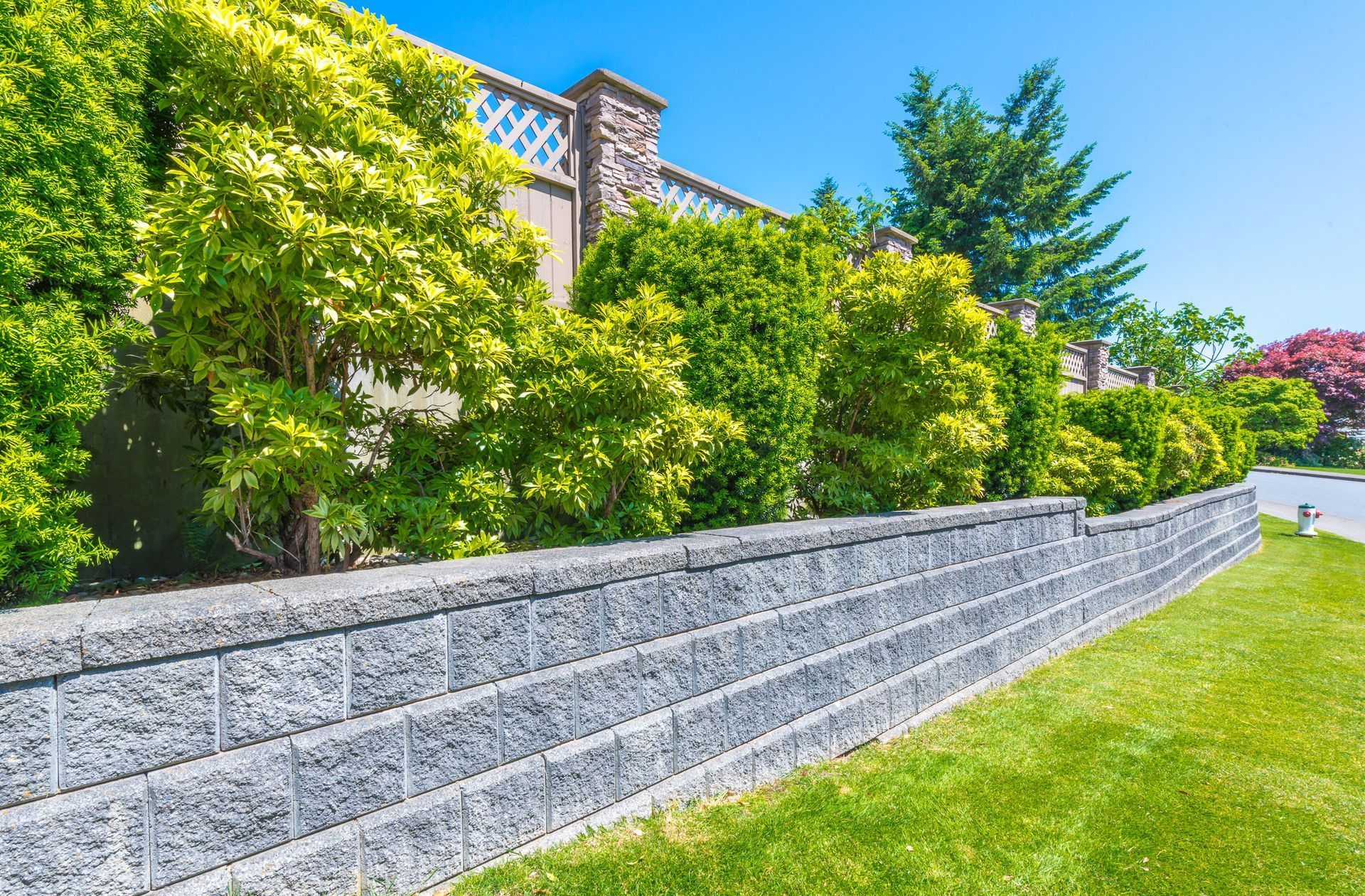
Retaining walls act as barriers that hold back soil and create level areas in sloped terrain. By anchoring the soil, they prevent it from shifting and eroding during heavy rainfall or windy conditions. These walls not only protect the soil but also contribute to the stability of nearby structures and landscaping features on your property.
Common materials used in the construction of retaining walls include concrete, stone, brick, and wood, each offering different benefits depending on the landscape and environmental conditions. For effective erosion control, materials such as concrete blocks are preferred due to their durability and ability to support large loads of soil. According to This Old House, a four-foot high, 15-foot long retaining wall can hold as much as 20 tons of saturated soil, demonstrating the capability of these structures in managing soil erosion.
Designing an effective retaining wall involves understanding the soil type, slope gradient, and potential water flow in the area. Engineers must take into account these factors to create a wall that can withstand environmental pressures. Incorporating drainage solutions into the wall design is critical to prevent water buildup and ensure the wall's longevity.
Numerous case studies illustrate the successful implementation of retaining walls. For example, in coastal areas, robust stone retaining walls have been used to protect properties from erosion caused by storm surges. In urban environments, retaining walls are often employed to stabilize land in neighborhoods with steep inclines, effectively preventing landslides during heavy downpours.
Managing Water Runoff
Uncontrolled water runoff can lead to various problems, such as flooding, erosion, and water contamination. When water flows unchecked, it can wash away topsoil and nutrients, creating barren landscapes. Moreover, excessive runoff can flood basements and damage the foundation of buildings, leading to costly repairs.
A well-designed retaining wall includes features to manage water flow effectively. By channeling rainwater and runoff away from vulnerable areas, these walls reduce the risk of flooding and soil erosion. Adding layers of gravel and drainage pipelines along the wall can further enhance water management capabilities, reducing pressure buildup against the wall.
Integrating drainage systems within retaining walls is essential to ensure their effectiveness and durability. A common solution is to include weep holes or drainage pipes that allow water to escape, preventing hydrostatic pressure from building up behind the wall. This integration helps maintain the structure's integrity and prolongs its lifespan.
The selection of materials for retaining walls should consider their permeability and resistance to water damage. Concrete blocks with built-in drainage features or specially designed geotextiles can help manage water flow. These materials offer the strength and durability needed to withstand significant water pressure, keeping your property dry and safe.
Effective water runoff management through retaining walls helps protect your property from potential flood damage. Beyond structural advantages, proper water control also supports healthy plant growth by preserving soil fertility and preventing nutrient loss. Additionally, reducing runoff minimizes the impact on surrounding ecosystems and prevents the pollution of water bodies.
Enhancing Landscape Design
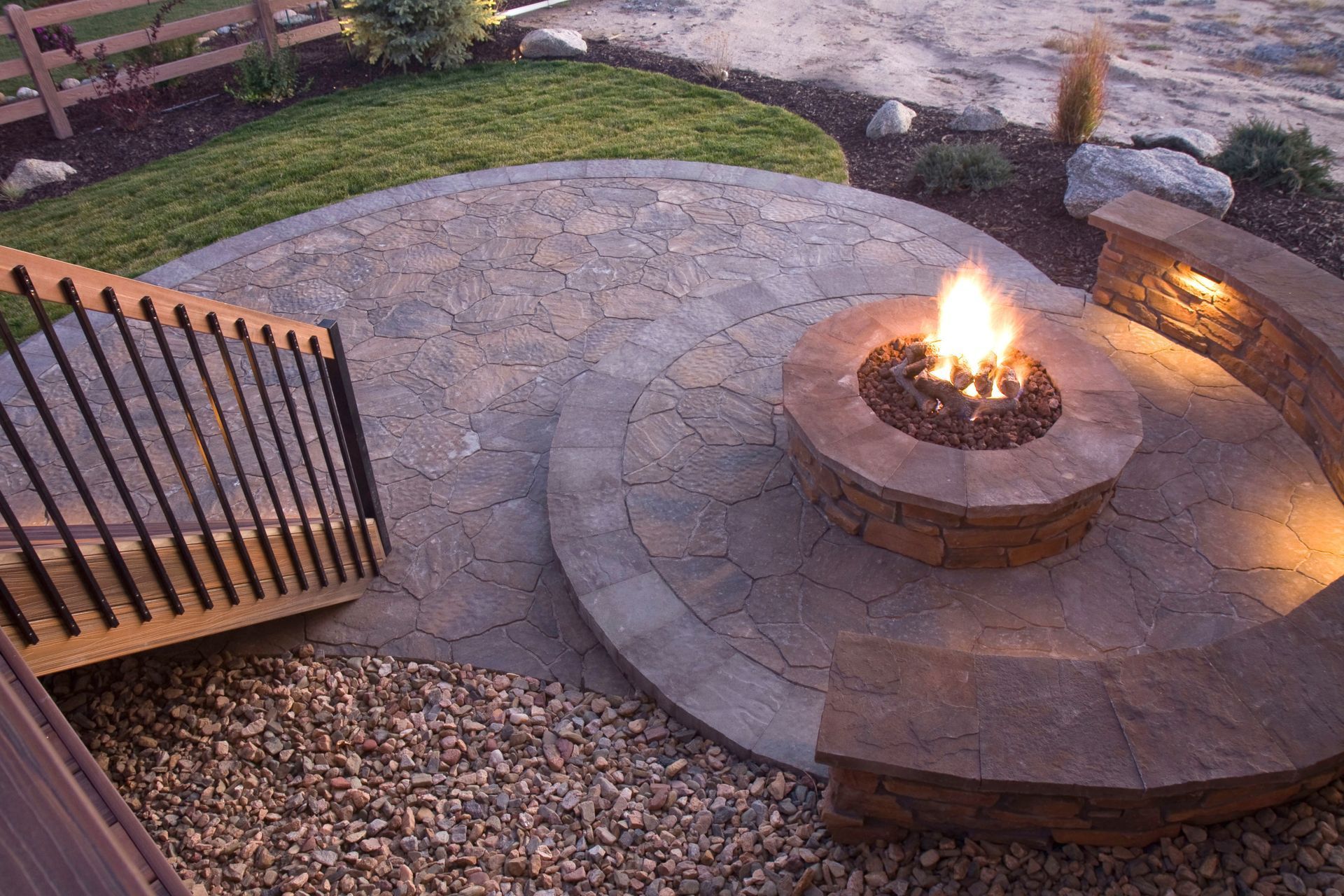
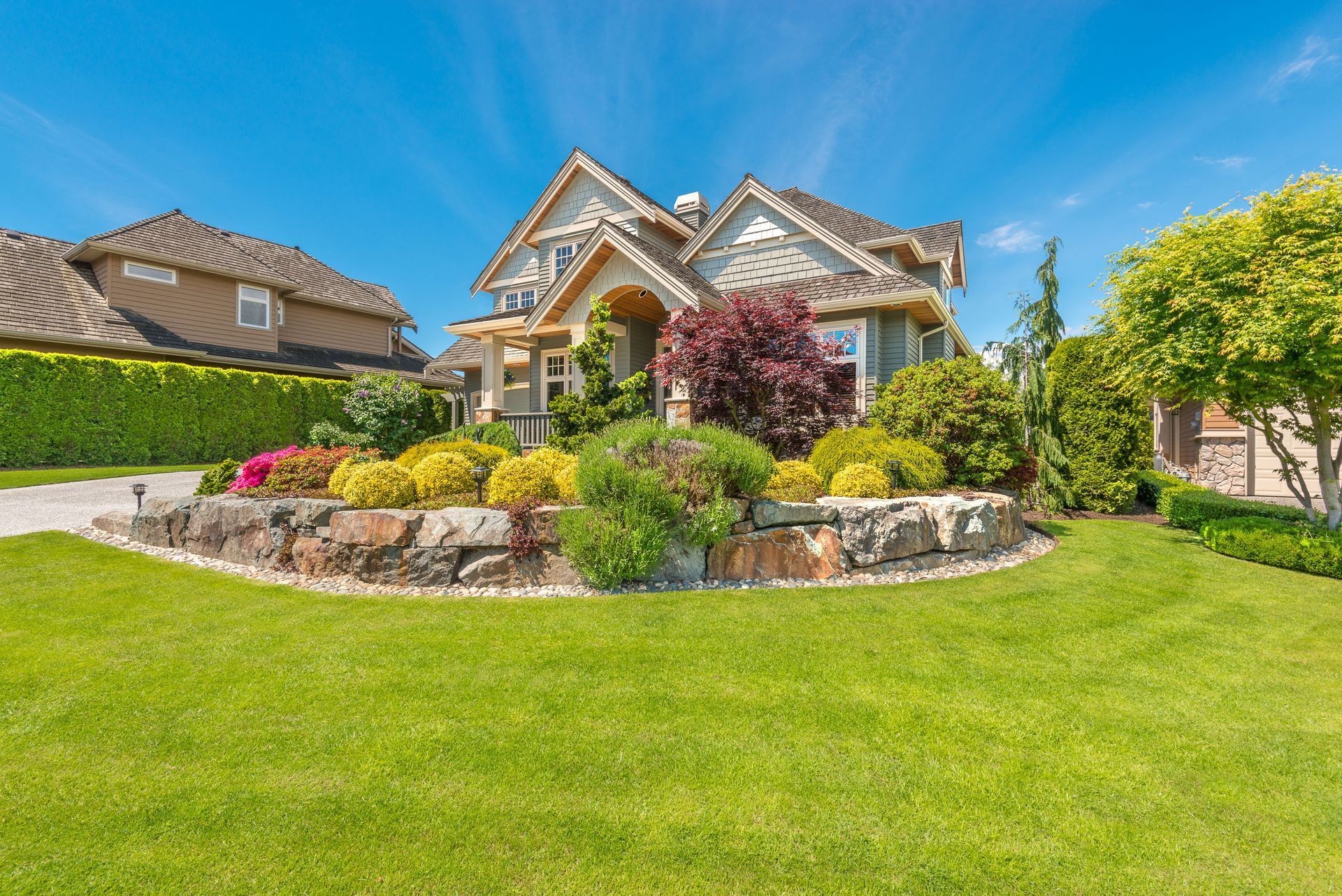
Retaining walls are not only functional but also contribute to the aesthetic appeal of your property. These structures can transform uneven and challenging terrain into visually appealing landscapes. By incorporating retaining walls, property owners can create tiered gardens, additional seating areas, and attractive walkway features.
Retaining walls can be customized to fit the design and aesthetic preferences of your property. Choices in materials, colors, and textures allow these structures to blend seamlessly into the existing landscape. Whether using natural stone for a rustic look or sleek concrete for a modern aesthetic, retaining walls offer design versatility.
Incorporating retaining walls into gardens adds both function and visual appeal. These walls can create raised flower beds, providing drainage and preventing soil compaction. Strategically placed retaining walls can also divide garden spaces, enhancing privacy and creating cozy outdoor rooms.
Various types of retaining walls address different design needs, including gravity, cantilevered, and anchored walls. Each type serves distinct landscaping purposes, from holding back large slopes to supporting vertical gardens. The choice depends on the aesthetic and structural requirements of your property.
Installing retaining walls can increase the value of your property. These structures enhance curb appeal and provide practical benefits, making a property more attractive to buyers. Added functionality, such as expanded outdoor spaces and improved drainage, further strengthens their value contribution.
Protecting Foundations and Structures
Soil movement, whether due to natural or human-induced factors, can compromise the stability of building foundations. This can result in structural damage, such as cracks in walls and floors. A retaining wall serves as a preventative measure by stabilizing soil and reducing lateral earth pressure on buildings.
Retaining walls stabilize foundations by preventing soil movement and maintaining a level base for construction. They are particularly useful on sloped properties, where gravity can pull soil downhill and affect foundation integrity. By anchoring soil in place, retaining walls help ensure properties remain structurally sound over time.
The long-term structural benefits of a retaining wall include preventing settlement and reducing the risk of foundational collapse. These advantages protect property values and save homeowners from costly repairs. In areas with significant elevation changes, strategic placement of retaining walls is a critical part of effective site planning.
Despite initial investment costs, a retaining wall offers cost-effective solutions for property protection. By preventing soil erosion and water damage, these structures reduce the need for frequent repairs and maintenance, delivering long-term savings. Their durability and ability to hold massive soil loads make them invaluable for safeguarding properties.
In practical scenarios, retaining walls have demonstrated their value in preserving property integrity. In earthquake-prone regions, properly constructed retaining walls have reduced foundation shifts and damage. Similarly, beachside properties use retaining walls to withstand coastal erosion, preserving natural terrain and built elements.
Supporting Terraced Properties
Terraced landscaping brings multiple advantages, such as maximizing land use and creating attractive outdoor environments. Retaining walls lay the foundation for terraced gardens, offering level surfaces for planting and recreation that enhance the practicality and aesthetics of sloped properties. This approach provides visual interest and functional layers, even in challenging terrains.
The construction of multi-level retaining wall systems requires careful consideration of elevation changes and soil types. These structures must integrate to prevent soil slippage and ensure proper water dispersal. When executed effectively, multi-level retaining walls create harmonious terraced living spaces, unlocking the full value of uneven properties.
Tailoring a retaining wall to coordinate with terraced conditions maximizes its effectiveness in soil stabilization and water management. Material selection and design should reflect the challenges of terraced landscapes, including weight and movement considerations. Investing in engineered walls ensures lasting performance and sustainable landscape transformation.
Retaining walls play a key role in mitigating soil slippage in terraced areas, providing anchors and barriers that stabilize inclined ground. Design elements like stepped surfaces, geogrids, and support beams reinforce the structure’s capacity to hold back soil. Proper engineering measures prevent landslides and secure terraced landscapes.
In vineyards, aligned terraces backed by a retaining wall help maintain soil quality and optimize grape production. Similarly, urban gardens use these structures to blend biodiversity with architectural innovation, revitalizing compact spaces.
Retaining walls play a vital role in preserving landscape stability, managing water runoff, and protecting structural foundations. Beyond erosion control, they enhance design flexibility, support terraced properties, and add long-term value to your property. When properly engineered and integrated, retaining walls offer a durable, cost-effective solution to both environmental challenges and aesthetic goals. If you'd like more information about how a retaining wall can help your property, reach out to DMT Contractors today.