November 22, 2026
Building residential or commercial properties on hillside terrain offers stunning views, dramatic architectural profiles, and unique landscaping opportunities. However, developing steep slopes also introduces severe geotechnical challenges that threaten structural stability, personal safety, and long-term property equity. Sloped ground naturally succumbs to gravity, hydro-static pressure, and weather erosion, causing unreinforced soil to shift downward over time. Heavy rainfall, freezing winter temperatures, and natural vegetation decay accelerate slope instability, leading to sudden landslides, foundation settlement, and severe soil loss. Without engineered soil retention systems in place, heavy rainstorms turn peaceful residential hillsides into dangerous mudslides that wash away driveways, damage building foundations, and ruin expensive outdoor living spaces.
Installing engineered structural barriers on sloped terrain converts unstable hillsides into secure, functional, and visually appealing stepped terraces. Structural retention barriers act as engineered earth-anchoring systems designed to hold back thousands of pounds of soil, rock, and water pressure. Proper site planning involves evaluating soil composition, calculating hydrostatic lateral forces, integrating subterranean drainage channels, and selecting high-density construction materials capable of enduring decades of environmental stress. Exploring the primary reasons structural retention systems are vital for hillside properties reveals how controlling soil erosion, preventing catastrophic landslides, analyzing material longevity metrics, managing subterranean water drainage, expanding usable outdoor living space, and partnering with experienced regional contractors combine to protect structural foundations and preserve long-term property value.
Controlling Soil Erosion and Preventing Surface Runoff
Controlling soil erosion represents a primary functional purpose when constructing structural retention barriers on sloped residential properties. Rainwater flowing downhill across unreinforced slopes carries away topsoil, root systems, and essential ground nutrients, carving deep gullies into lawn surfaces. Over time, continuous water erosion strips away supportive earth around building foundations, patio slabs, and paved driveways, leading to dangerous structural underselling and cracked concrete.
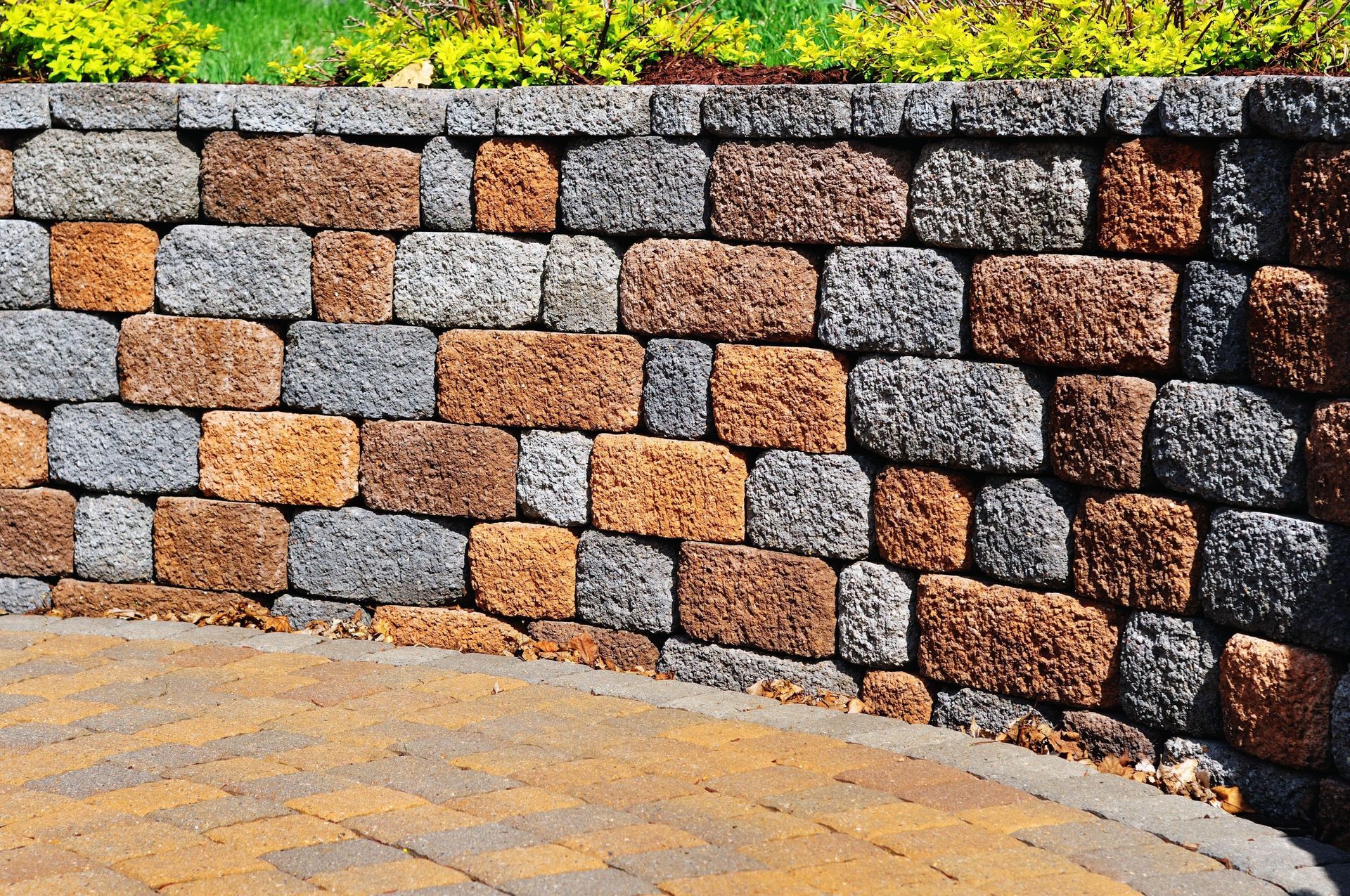
Engineered retention structures intercept downhill water flow, slowing surface velocity and anchoring loose soil behind heavy structural blocks. By breaking steep hillsides into flat, manageable terraces, these installations prevent heavy downpours from washing away topsoil and landscaping beds. Incorporating a well-designed retaining wall protects delicate yard ecosystems, stabilizes surface slopes, and prevents rainwater runoff from carving unsightly trenches across your property.
Preventing Catastrophic Landslides and Protecting Building Foundations
Preventing catastrophic slope failure and protecting building foundations requires engineering heavy-duty soil retention barriers designed to resist immense lateral earth pressure. Steep hillsides absorb massive amounts of water during seasonal rainstorms, dramatically increasing overall soil weight and fluid pressure. When saturated soil exceeds its natural angle of repose, entire hillside sections can slide downward without warning, crushing structures below and undermining homes above.
Structural retention barriers act as heavy mass dams or tie-back reinforced systems that lock sliding earth firmly in place. Engineers calculate soil friction angles and lateral forces to ensure that barrier walls withstand extreme environmental loads without leaning, bulging, or collapsing. Building an engineered retaining wall along steep grades safeguards household members, protects structural building foundations from movement, and secures home investments against devastating geological events.
Analyzing Material Longevity Metrics and Understanding Construction Value
Analyzing material durability research underscores the long-term economic value and structural stability achieved by investing in professional concrete masonry construction. Retention systems must endure continuous moisture contact, heavy lateral earth pressures, freeze-thaw expansion cycles, and ground settling without suffering structural degradation. Choosing high-density concrete blocks, reinforced poured concrete, or engineered stone units ensures that retention barriers remain standing for generations.
Industry home improvement research highlights the exceptional working lifespan and permanent structural protection provided by concrete masonry installations. According to HomeAdvisor, concrete retaining walls can last 50 to 100 years. Partnering with certified contractors to erect a concrete retaining wall provides property owners with permanent peace of mind, knowing that their hillside earth-retention system requires minimal maintenance while offering lifelong structural security.
Managing Subterranean Water Drainage and Relieving Hydrostatic Pressure
Managing subterranean water flow behind retention barriers is essential for preventing wall leaning, mortar cracking, and complete structural collapse. Water accumulation behind solid walls creates immense hydrostatic pressure, which pushes outward against masonry structures with tremendous force. A wall designed solely to hold dry soil will fail rapidly if trapped groundwater is allowed to pool directly behind the barrier.
Professional installation crews place continuous perforated drain pipes, clean gravel backfill layers, and geotextile filter fabrics directly behind wall blocks before backfilling earth. Drainage weep holes placed along the wall base allow trapped groundwater to escape freely, relieving internal pressure buildup and directing runoff safely away from building foundations. Integrating proper drainage behind your structural retaining wall prevents water buildup, protects masonry mortar joints, and ensures long-term barrier performance.
Expanding Usable Outdoor Living Space and Creating Stepped Terraces
Expanding usable outdoor space turns steep, unusable hillsides into beautiful, functional property areas for outdoor recreation and entertainment. Unreinforced slopes make walking, gardening, or installing outdoor amenities nearly impossible, effectively wasting large portions of a residential lot. Stepped retention engineering transforms steep hillsides into a series of level, functional terraces connected by integrated masonry staircases.
Creating flat, terraced levels allows property owners to install outdoor kitchens, swimming pools, patio seating areas, flower beds, and lush lawns where steep dirt slopes once existed. Stepped terrace designs also distribute overall soil weight across multiple smaller walls rather than forcing a single tall wall to bear the entire hillside load. Installing a terraced retaining wall system maximizes property utility, enhances aesthetic curb appeal, and significantly increases overall real estate market value.
Constructing structural soil retention barriers on steep slopes represents a critical investment in property safety, foundation stability, and overall real estate value. Allowing unreinforced hillsides to sit exposed to seasonal rainfall, surface runoff, and gravity invites severe soil erosion, foundation underselling, and catastrophic landslides. By transforming steep grades into engineered, terraced levels, property owners control rainwater runoff, prevent dangerous soil movement, and create functional outdoor living spaces where unusable slopes once stood. Furthermore, understanding the remarkable multi-decade lifespan of concrete masonry structures highlights the permanent value that professional installation brings to hillside properties. Working alongside certified, experienced regional contractors guarantees accurate soil force calculations, proper subterranean drainage installation, and code-compliant construction that protects your home against environmental hazards. Taking a proactive, safety-first approach to hillside earth retention secures your building foundation, expands usable outdoor living space, and delivers lasting peace of mind across every season.
At DMT Contractors, we are deeply committed to securing your hillside property, preventing soil erosion, and delivering superior structural masonry solutions through master trade craftsmanship, advanced soil engineering techniques, and dedicated customer care. Our team of certified excavation and masonry specialists brings extensive earth-retention expertise, terraced wall design, subterranean drainage installation, foundation stabilization, site grading, and meticulous attention to detail to every residential slope evaluation, commercial site development, hardscape installation, structural repair, and professional retaining wall project we execute across our community. We take immense pride in evaluating your property's unique geological conditions, analyzing lateral earth pressures, guiding you through hand-selected material options, and serving as your trusted structural partner to bring total ground stability, aesthetic elegance, and enhanced value to your residence. Furthermore, our business prioritizes clear communication, transparent written estimates, clean jobsite management, and exceptional service performance from initial site assessment through final project walkthrough. We carefully inspect every soil foundation trench, drain pipe connection, gravel backfill layer, and block seating joint to guarantee maximum structural integrity, code compliance, and complete client satisfaction. Contact us today to schedule your comprehensive hillside consultation and discover the true value of working with dedicated local structural specialists.