October 22, 2026
In the realm of modern commercial and residential construction, the structural integrity of every project hinges upon the precision of foundational groundwork. Heavy structural elements and everyday foot traffic alike depend on robust, expertly finished grounds that are engineered to withstand rigorous environmental stressors, seismic vibrations, and decades of relentless wear. Navigating the complexities of soil mechanics, material hydration dynamics, and regional climate variations requires a depth of operational knowledge that extends far beyond simple manual labor. Securing the services of a certified concrete contractor ensures that structural projects meet rigorous engineering standards and municipal safety compliance codes while maintaining exceptional longevity. From initial site excavation to final chemical sealing, professional oversight converts raw composite materials into permanent, highly resilient assets.
Achieving superior structural resilience requires a sophisticated comprehension of material science and meticulous execution at every stage of development. Every site presents distinct geological challenges, ranging from reactive clay soils that expand with moisture to sand-heavy compositions that risk settling under heavy structural loads. Hiring a specialized concrete contractor grants property owners access to advanced field techniques that mitigate these structural hazards before the first batch of material is ever poured. Professional installation teams utilize precise load-bearing calculations, custom reinforcement configurations, and climate-specific chemical admixtures to prevent premature cracking, spalling, and sub-surface erosion. Partnering with seasoned industry professionals guarantees that every slab, foundation, or paved area operates as a long-term investment rather than a recurring maintenance liability.
Assessing Regional Soil Mechanics and Foundations
Preparing a construction site for heavy material placement demands an in-depth evaluation of underlying soil composition and moisture dynamics. Professional teams analyze soil load-bearing capacity, compaction thresholds, and drainage characteristics to construct stable base layers that prevent future settling or structural shift. By installing properly graded aggregate sub-bases and implementing robust moisture barriers, experts protect the structural slab from hydrostatic pressure and expansive soil movement. This foundational prep work serves as the critical defense mechanism against long-term structural failures, guaranteeing that the finished installation remains level and secure across changing seasons.
Evaluating site-specific environmental variables enables construction specialists to customize their structural design and chemical formulations accordingly. Their expertise allows them to recommend materials best suited for specific environmental conditions. According to the US Geological Survey, in 2024, more than 103 million metric tons of cement were shipped throughout America, emphasizing the vast array of options available. This careful material selection enhances the project's overall quality and lifespan. Through systematic ground testing and precise base preparation, installation teams lay the physical groundwork required to support immense physical loads without sacrificing surface integrity over time.
Implementing Precision Mixing and Application Methods
Executing a flawless installation requires strict adherence to exact water-to-cement ratios, aggregate grading protocols, and specialized chemical additive mixtures. Experienced installation specialists monitor ambient temperatures, humidity levels, and haul times to ensure the material maintains optimal plasticity during placement. Utilizing specialized vibrating equipment during the pour eliminates hidden air voids and honeycomb defects, yielding a dense, uniform internal matrix that maximizes overall compressive strength. These technical application methods ensure the cured surface possesses maximum resistance against heavy structural loads, surface abrasion, and environmental weathering.
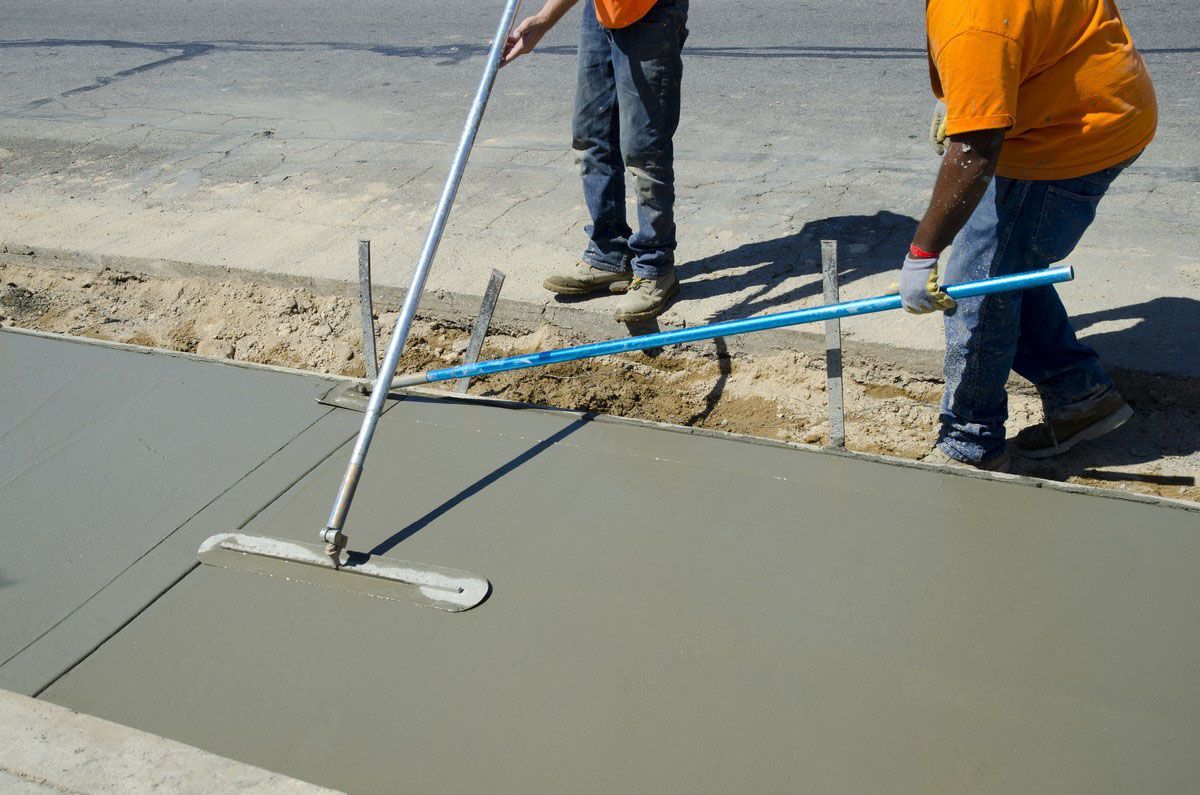
Applying advanced placing and finishing methodologies prevents common surface defects such as dusting, crazing, or early shrinkage cracking. Professional crews utilize specialized screeds, power trowels, and precision joint-cutting tools to manage stress distribution throughout the slab. Utilizing a seasoned concrete contractor guarantees that key operational parameters, from slump tests to curing schedules, are managed with absolute technical accuracy. This combination of scientific material handling and field expertise delivers smooth, highly durable surfaces that perform exceptionally well under high-impact conditions.
Deploying Advanced Reinforcement and Formwork Systems
Constructing temporary containment structures demands exact geometric alignment and rigid bracing to support the immense fluid pressure of freshly poured material. Installation teams design and erect robust formwork systems using heavy-duty lumber, steel, or composite panels to define structural edges with absolute precision. Inside these forms, crew members position high-tensile steel rebar grids, structural wire mesh, or synthetic fiber reinforcement elevated on specialized support chairs. Proper reinforcement placement ensures the tensile strength of the cured matrix matches its high compressive capacity, allowing the slab to resist bending forces and heavy point loads.
Integrating modern structural reinforcement requires an accurate understanding of load distribution and thermal expansion dynamics. Construction managers calculate precise rebar spacing, lap splice lengths, and control joint placements to accommodate natural material movement without structural failure. Hiring a qualified concrete contractor ensures that all internal steel components are fully encapsulated at the correct depth, protecting them from moisture intrusion and internal oxidation. This structural integration provides the foundational backbone required for heavy-duty commercial pavements, retaining walls, and high-capacity foundations.
Executing Specialized Curing and Sealing Techniques
Optimizing the final compressive strength of a newly placed slab requires strict control over the hydration process during the initial curing phase. Professional crews apply specialized curing compounds, wet burlap coverings, or plastic sheeting to retain vital moisture within the material matrix as it gains structural density. Controlling moisture loss prevents rapid surface drying, which is the primary cause of micro-cracking, curling, and reduced surface hardness. By maintaining ideal hydration temperatures over designated curing windows, installation specialists allow the internal crystalline structures to fully form, maximizing the ultimate durability of the surface.
Applying heavy-duty protective sealants provides a critical secondary defense layer against water penetration, chemical exposure, and freeze-thaw degradation. Penetrating silane-siloxane sealants or high-performance topical coatings form invisible hydrophobic barriers that prevent salt absorption and oil staining. Working with a professional concrete contractor ensures that sealing products are applied at precise coverage rates and optimal moisture thresholds for maximum chemical bonding. These specialized surface treatments dramatically reduce ongoing maintenance requirements while extending the total service life of the installation by decades.
Navigating Building Codes and Safety Compliance
Managing commercial and residential construction projects requires strict adherence to local building codes, zoning ordinances, and structural engineering mandates. Certified installation teams maintain comprehensive knowledge of municipal regulations, securing all necessary work permits and scheduling required municipal inspections prior to material placement. Compliance with strict standards regarding slab thickness, sub-grade preparation, and rebar clearance protects property owners from costly regulatory fines or forced structural removals. Professional oversight ensures that every aspect of the build meets or exceeds national structural safety standards.
Maintaining comprehensive job-site safety protocols protects both construction personnel and neighboring properties throughout the duration of the build. Installation managers implement strict safety measures regarding heavy equipment operation, trench excavation, and chemical handling to minimize job-site hazards. Partnering with a licensed concrete contractor provides property owners with full regulatory compliance, professional liability coverage, and structural warranties that guarantee long-term peace of mind. This structured, compliant approach ensures that projects progress smoothly from initial plan submission through final regulatory sign-off.
Constructing high-performance structural surfaces demands a seamless balance of specialized engineering knowledge, precise material science, and disciplined field execution. As architectural designs become increasingly complex and environmental demands grow more severe, the reliance on skilled industry professionals becomes paramount. Investing in expert installation ensures that structural bases, commercial driveways, and heavy foundations remain stable, visually appealing, and structurally sound for generations. For property owners seeking exceptional durability, code compliance, and superior craftsmanship, securing a professional concrete contractor remains the most reliable strategy for long-term project success. Contact DMT Contractors today to discuss your upcoming project requirements, schedule an expert site assessment, and receive a detailed, comprehensive quote tailored to your specific structural needs.